
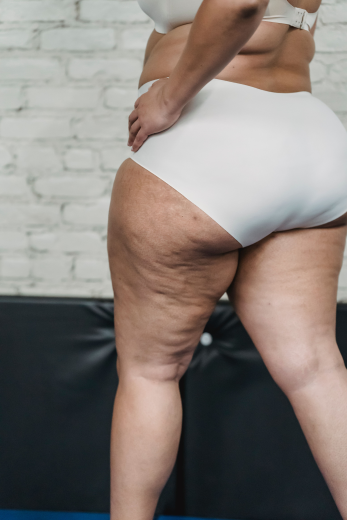
Cellulite appearance treatments include cosmetic body care techniques that focus on uneven skin texture, particularly in areas such as the buttocks, hips, and thighs. The most suitable approach is selected based on individual skin characteristics and care needs.
Cellulite refers to the dimpled, uneven appearance of the skin, often described as an orange-peel texture. It commonly develops on the buttocks, hips, and thighs.
This appearance results from the structural relationship between subcutaneous fat and connective tissue beneath the skin. Genetics, hormonal factors, age, and skin elasticity can all influence the visibility of cellulite.
Cellulite is extremely common and is not considered a medical condition on its own. It can also occur in individuals with a slim body type.
What Are Cellulite Appearance Treatments?
Cellulite appearance treatments include cosmetic body care techniques designed to promote smoother-looking, well-maintained skin.
Depending on the selected technique, treatments may focus on improving the appearance of skin texture, supporting hydration, and enhancing overall skin comfort.
However, because connective tissue beneath the skin plays an important role in cellulite formation, the effects of superficial cosmetic treatments may be limited.
How Are Cellulite Appearance Treatments Performed?
Before treatment, individual skin characteristics, care needs, and personal expectations are assessed.
The most appropriate approach is selected based on the treatment area and individual characteristics.
Depending on the care program, treatments may involve suitable cosmetic products, massage techniques, or device-assisted methods when available.
Because different techniques have distinct mechanisms and potential outcomes, the treatment plan is tailored to individual needs.
Which Areas Can Be Treated?
-
Buttocks
-
Hips
-
Thighs
-
Suitable areas of the legs
-
Other appropriate areas with visible cellulite
What Causes Cellulite?
Several factors may contribute to the development of cellulite:
-
Genetic predisposition
-
Hormonal influences
-
Structure of the connective tissue beneath the skin
-
Changes in skin elasticity
-
Age-related changes
-
Body fat distribution
Cellulite is not caused solely by excess body weight. It can also occur in individuals with a healthy body weight.
Do Cellulite Treatments Provide Permanent Results?
The results of cosmetic cellulite treatments vary depending on the technique used and individual skin characteristics.
Some methods may temporarily improve the appearance of uneven skin texture. However, complete or permanent elimination of cellulite cannot be guaranteed.
Is Cellulite the Same as Localized Fat?
No. Cellulite is characterized by dimpling and uneven texture on the skin's surface.
Localized fat refers to the accumulation of fatty tissue in specific areas of the body.
Therefore, body contouring treatments and cosmetic treatments targeting the appearance of cellulite have different goals.
What Should You Do After Cellulite Treatments?
Aftercare recommendations may vary depending on the technique used.
-
Use moisturizing products suitable for your skin type.
-
Avoid irritating the treated area.
-
Maintain regular physical activity and a balanced diet to support overall health.
-
Follow the aftercare instructions specific to your treatment.
Cellulite Appearance Treatments at Armin Pure Beauty
At Armin Pure Beauty, cellulite appearance treatments are planned within the beauty and skin care studio managed by Şebnem Müştak, taking individual skin characteristics and cosmetic expectations into consideration.
Our approach emphasizes selecting skin care methods suited to the skin's natural characteristics, assessing individual needs, and maintaining realistic expectations.
Our goal is to provide a customized body care experience that supports a smoother, well-maintained skin appearance.
Are Cellulite Treatments Suitable for Everyone?
Suitability depends on the selected treatment method and the individual's overall health.
Treatment may need to be postponed or avoided in cases of active skin infections, open wounds in the treatment area, certain vascular conditions, or other contraindications specific to the technique used.
Cosmetic cellulite appearance treatments are not a substitute for medical care. Their effectiveness and safety depend on the specific technique used, and results may vary from person to person.
Frequently Asked Questions
01 Does Cellulite Only Affect People Who Are Overweight?
No. Cellulite is a common skin characteristic that can also occur in slim individuals and people who exercise regularly. It is associated with the structure of fat and connective tissue beneath the skin. Cellulite is not caused solely by excess body weight, and losing weight does not always eliminate its appearance. Source: American Academy of Dermatology
02 Are Cellulite Appearance Treatments Different from Body Contouring?
Yes. Cellulite treatments focus on reducing the dimpled, uneven appearance of the skin, while body contouring targets the shape and volume of specific body areas. Reducing fat does not necessarily improve the appearance of cellulite. The most suitable approach should be selected based on individual needs and primary concerns. Source: American Academy of Dermatology
03 Can Massage and Device-Based Treatments Completely Eliminate Cellulite?
Some treatments may temporarily improve the appearance of cellulite, but complete and permanent elimination cannot be guaranteed. Results depend on the technique used and individual skin characteristics. Promising perfectly smooth skin after a single session or identical results for everyone is unrealistic. Source: American Academy of Dermatology
04 How Many Cellulite Treatment Sessions Are Needed, and Will Cellulite Return If You Stop?
The number of sessions and treatment intervals depend on the technique used and individual response. Results from massage-based treatments, in particular, may gradually fade, making maintenance sessions necessary. Regular physical activity and maintaining a stable weight may help support skin appearance, but they cannot guarantee that cellulite will not become noticeable again. Source: American Academy of Dermatology