
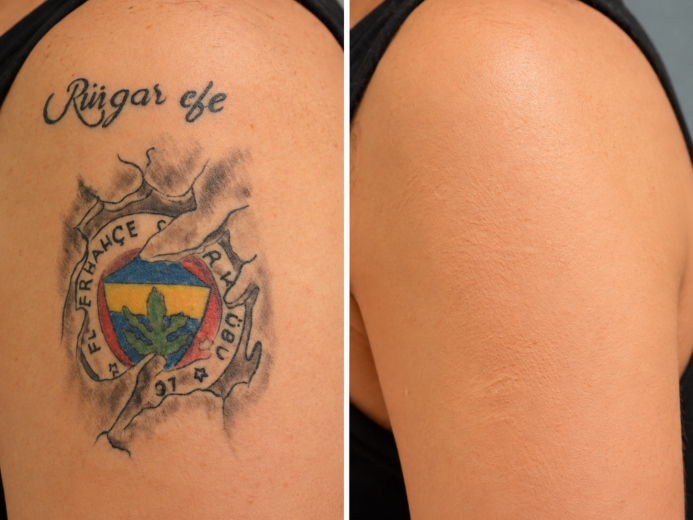
Cosmetic camouflage makeup is a temporary, non-surgical technique designed to minimize the appearance of dark spots, skin discoloration, and healed scars using specialized concealing products.
Cosmetic Camouflage Makeup
What Is Cosmetic Camouflage Makeup?
Cosmetic camouflage makeup is a professional makeup technique designed to minimize the appearance of skin discoloration, dark spots, and healed scars using specialized concealing products.
This technique does not involve depositing pigment into the skin. The makeup is applied entirely to the skin's surface and can be removed using appropriate cleansers.
What Skin Concerns Can Cosmetic Camouflage Makeup Address?
-
Light-colored skin patches caused by vitiligo
-
Melasma and other pigmentation differences
-
Post-acne discoloration
-
Fully healed surgical scars and other scars
-
Certain types of skin redness
-
Congenital skin discoloration and birthmarks
How Is Cosmetic Camouflage Makeup Applied?
First, skin type and the area requiring coverage are assessed.
Cosmetic products are selected to match the individual's natural skin tone. When necessary, color-correcting products may be used to create a more even-looking complexion.
In the final step, suitable setting products may be applied to help improve makeup durability.
How Long Does Cosmetic Camouflage Makeup Last?
Cosmetic camouflage makeup provides temporary coverage. How long it lasts depends on the products used, perspiration, friction, and individual skin characteristics.
Cosmetic Camouflage Makeup at Armin Pure Beauty
At Armin Pure Beauty, cosmetic camouflage makeup services are offered within the beauty and skin care studio managed by Şebnem Müştak, taking individual skin characteristics and personal expectations into consideration.
Our goal is to make visible skin discoloration less noticeable through cosmetic coverage while preserving the skin's natural appearance.
Cosmetic camouflage makeup does not treat dermatological conditions. A dermatological evaluation is necessary before application in cases of open wounds, active infections, skin irritation, or unexplained skin lesions.
Frequently Asked Questions
01 What Is the Difference Between Cosmetic Camouflage Makeup and Regular Foundation?
Cosmetic camouflage products provide higher pigment concentration and coverage to help conceal noticeable skin discoloration. They can be used on areas affected by vitiligo, birthmarks, dark spots, and healed scars. These products are applied to the skin's surface and can be removed with appropriate cleansers. They are not permanent makeup and do not treat underlying skin conditions. Source: British Association of Dermatologists
02 Does High-Coverage Camouflage Makeup Always Look Thick or Unnatural?
No. Achieving natural-looking coverage depends on accurately matching the surrounding skin tone and applying the product in thin layers. Different shades may be blended when necessary, and setting products can help maintain coverage. However, camouflage makeup can reduce visible color differences without changing the texture of raised or depressed scars. Completely invisible coverage under all lighting conditions cannot be guaranteed. Source: British Association of Dermatologists
03 Can Cosmetic Camouflage Makeup Be Used Every Day, and How Should It Be Removed?
Cosmetic camouflage makeup can be used daily if the skin is healthy and the products are well tolerated. At the end of the day, remove the makeup gently with an appropriate cleanser and keep brushes and sponges clean. Avoid applying camouflage makeup to open wounds, infections, actively inflamed skin, or unexplained skin changes that have not been medically evaluated. Discontinue use if itching, burning, or redness develops. Source: British Association of Dermatologists
04 Can You Swim in the Ocean or a Pool While Wearing Cosmetic Camouflage Makeup?
Some camouflage products may offer water resistance when properly applied and set. However, durability depends on the product and application technique. Friction or rubbing with a towel may remove the makeup, so gently patting the area dry is recommended. Even if a camouflage product contains SPF, it should not automatically be considered sufficient sun protection on its own. Source: British Association of Dermatologists