
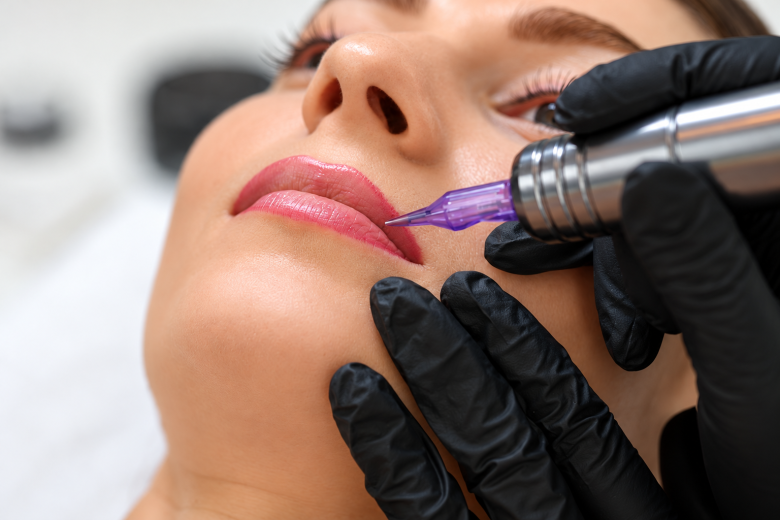
Permanent lip blush makeup is a cosmetic pigmentation procedure designed to enhance the lips' natural color and create a more even, balanced tone. The pigment shade is selected based on individual lip characteristics and personal preferences.
Permanent lip blush makeup is a cosmetic pigmentation procedure designed to enhance the lips' natural color, create a more even tone, and give the lips a more defined, well-groomed appearance.
Also known as Lip Blush, this technique involves depositing specialized pigments into the lips using appropriate equipment and application techniques.
The goal is to achieve a natural-looking lip color that complements individual skin tone and facial features without changing the lips' natural structure.
How Is Permanent Lip Blush Makeup Performed?
Before the procedure, the natural lip color, shape, symmetry, and individual expectations are assessed.
The first step involves selecting a suitable pigment shade. The pigment is then carefully applied while respecting the lips' natural borders.
Immediately after the procedure, the lip color may appear more intense than expected. As the lips heal, the color typically softens, and the final appearance gradually develops.
Who Is a Good Candidate for Permanent Lip Blush Makeup?
-
Individuals who want to enhance their natural lip color
-
Those with cosmetic concerns about uneven lip pigmentation
-
People seeking a more balanced and uniform lip tone
-
Individuals who want to spend less time applying daily lip makeup
-
Those who prefer natural-looking permanent makeup
Does Permanent Lip Blush Makeup Make Lips Fuller?
No. Permanent lip blush makeup does not physically increase lip volume.
By enhancing color distribution and defining the natural lip borders, the procedure may create the visual impression of fuller lips.
However, lip blush is not the same as lip filler and does not add volume to the lip tissue.
How Long Does Permanent Lip Blush Makeup Last?
Pigment retention varies depending on the pigments used, application technique, skin characteristics, and individual factors.
Over time, the pigment may gradually fade or change in tone. Touch-up sessions may be considered when appropriate.
Complete disappearance of the pigment cannot be guaranteed.
What Should You Do After Permanent Lip Blush Makeup?
Temporary swelling, redness, tenderness, and scabbing may occur after the procedure.
During the healing process:
-
Keep the lips clean and use the recommended aftercare products.
-
Avoid picking or peeling off scabs.
-
Avoid cosmetic products that may irritate the lips.
-
Limit excessive sun exposure and heat.
-
Follow your practitioner's aftercare instructions until healing is complete.
Can You Get Permanent Lip Blush Makeup If You Have a History of Cold Sores?
Individuals with a history of cold sores caused by the herpes simplex virus may experience a recurrence following lip pigmentation.
For this reason, any history of cold sores should be disclosed before the procedure. A physician may recommend preventive antiviral medication when appropriate.
The procedure should not be performed during an active cold sore outbreak.
Permanent Lip Blush Makeup at Armin Pure Beauty
At Armin Pure Beauty, permanent lip blush makeup treatments are planned within the beauty and skin care studio managed by Şebnem Müştak, taking individual lip characteristics, skin tone, and personal preferences into consideration.
Our approach focuses on creating a balanced, harmonious lip color while preserving each person's natural facial expression.
Natural-looking results, appropriate hygiene standards, and individual characteristics are key considerations when selecting pigments and planning the procedure.
Is Permanent Lip Blush Makeup Suitable for Everyone?
Individuals with active cold sores, lip infections, significant irritation, a history of allergic reactions to pigments, or certain health conditions that may interfere with wound healing require careful assessment before the procedure.
Elective permanent makeup procedures are generally best postponed during pregnancy and breastfeeding.
Permanent lip blush makeup is a cosmetic pigmentation procedure that breaks the skin barrier. Potential risks include infection, allergic reactions, unwanted pigment color changes, and scarring. Results may vary from person to person.
Frequently Asked Questions
01 Does Permanent Lip Blush Makeup Make Lips Bigger, and Can It Replace Lip Fillers?
Lip blush enhances the natural color and definition of the lips using cosmetic pigments. It may create the appearance of fuller lips, but it does not add volume or replace lip fillers. Temporary swelling after the procedure should not be mistaken for permanent lip enhancement. Source: Cleveland Clinic
02 Will Lip Blush Look Natural, and Does the Color Eventually Fade Completely?
To achieve a natural-looking result, pigment shades are selected based on the individual's existing lip color and personal preferences. The same pigment may produce different results on different people. Although the color may gradually fade, complete disappearance cannot be guaranteed. It is also important to consider that changing or removing the pigment later can be difficult. Source: Cleveland Clinic
03 Why Does Lip Blush Look So Dark at First, and When Will the Final Color Be Visible?
The color may appear more intense during the first few days, and mild swelling, tenderness, and scabbing can occur. The appearance gradually changes as the lips heal, with the final color generally assessed after approximately four weeks. Avoid picking at scabs, keep the lips clean, and follow the recommended aftercare instructions. The need for a touch-up is determined after healing is complete. Source: Cleveland Clinic
04 Can You Get Permanent Lip Blush Makeup If You Have a History of Cold Sores?
A history of cold sores should always be disclosed, as lip pigmentation procedures may trigger a herpes simplex outbreak. Treatment should be postponed if an active cold sore is present. Individuals with recurrent cold sores should consult a physician before the procedure to determine whether preventive antiviral medication is appropriate. Potential pigment allergies and infection risks should also be addressed during the initial assessment. Source: Cleveland Clinic