
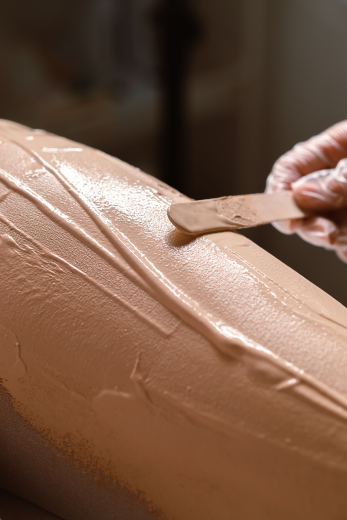
Professional body care includes cosmetic treatments designed to cleanse the skin, gently remove dead skin cells, and support its moisture balance. Treatments are tailored to individual skin types and personal care needs.
What Is Professional Body Care?
Professional body care includes cosmetic treatments designed to cleanse, moisturize, and promote softer, smoother, and healthier-looking skin.
Daily routines, seasonal changes, environmental factors, and personal care habits can affect the skin's moisture balance and overall appearance.
Dryness, rough texture, and dullness may develop on areas such as the arms, legs, back, and other parts of the body.
Professional body care focuses on addressing these needs through suitable skin care products and techniques, helping the skin feel more comfortable and well-maintained.
How Is Professional Body Care Performed?
Before treatment, skin type, sensitivity, and individual care needs are assessed.
A customized body care program may include some of the following steps:
-
Skin cleansing: Gently cleansing the skin with suitable products to remove surface impurities and buildup.
-
Gentle exfoliation: Using appropriate techniques to help remove dead skin cells based on individual skin characteristics.
-
Moisturizing: Applying hydrating products to help relieve dryness and tightness.
-
Conditioning care: Using cosmetic products suited to the skin's needs to support a softer, smoother, and well-groomed appearance.
-
Finishing care: Providing daily skin care recommendations tailored to individual needs.
Not every treatment requires all of these steps. The care program is adjusted according to individual skin characteristics.
Which Areas Can Be Treated?
-
Back
-
Arms
-
Legs
-
Abdomen and waist
-
Elbows and knees
-
Other suitable body areas requiring skin care
Who Is Professional Body Care Suitable For?
-
Individuals experiencing dry or tight-feeling body skin
-
Those concerned about dull or rough skin texture
-
People who want softer, smoother, and well-maintained skin
-
Individuals who prioritize regular body care
-
Those seeking additional skin care support during seasonal changes
What Is the Difference Between Professional Body Care and At-Home Skin Care?
Regular cleansing, moisturizing, and sun protection at home form the foundation of a healthy skin care routine.
Professional body care involves assessing individual skin characteristics and selecting suitable products and treatment techniques.
Professional treatments complement daily at-home skin care rather than replacing it.
How Often Should You Get Professional Body Care?
Treatment frequency varies depending on skin type, dryness, sensitivity, and the products used.
Not everyone needs professional body care at the same intervals. Frequent or intensive exfoliation should be avoided, particularly for sensitive skin.
What Should You Do After Professional Body Care?
Maintaining skin hydration and preventing irritation are important after treatment.
-
Use moisturizing products suitable for your skin type.
-
Avoid very hot water and harsh scrubbing.
-
Temporarily avoid irritating cosmetic products on exfoliated areas when recommended.
-
Apply appropriate sun protection to areas exposed to sunlight.
-
If unexpected redness or irritation develops, review the products used and seek professional advice when necessary.
Professional Body Care at Armin Pure Beauty
At Armin Pure Beauty, professional body care treatments are offered within the beauty and skin care studio managed by Şebnem Müştak, taking individual skin characteristics and care needs into consideration.
Our approach emphasizes selecting products that respect the skin's natural characteristics, maintaining personal comfort, and supporting consistent skin care habits.
Our goal is to provide a tailored body care experience that helps promote softer, more hydrated, and well-maintained skin.
Is Professional Body Care Suitable for Everyone?
Professional body care can be adapted to the needs of many individuals. However, not every treatment technique is suitable for every skin type.
Treatment may need to be postponed in areas affected by active infections, open wounds, significant eczema flare-ups, sunburn, or severe skin irritation.
Product ingredients should be carefully evaluated, particularly for individuals with sensitive or allergy-prone skin.
Professional body care is a cosmetic treatment and is not a substitute for medical treatment of eczema, psoriasis, fungal infections, or other dermatological conditions. Results may vary depending on individual skin characteristics and the products used.
Frequently Asked Questions
01 Is Professional Body Care Only for Relaxation?
Professional body care offers more than a relaxing experience. Treatments can be designed to address the skin's cleansing and hydration needs while promoting a softer, smoother, and well-maintained appearance. Treatment steps are selected according to individual skin conditions. For dry or sensitive skin, gentle cleansing and moisturizing should generally take priority over intensive exfoliation. Source: American Academy of Dermatology
02 How Often Should You Exfoliate Your Body, and Is More Exfoliation Better?
No. Exfoliation frequency and intensity should be determined by skin type and the products used. Excessive or aggressive exfoliation can damage the skin barrier, leading to dryness, redness, and burning sensations. Exfoliation should be avoided on irritated skin, open wounds, or sunburned areas. Source: American Academy of Dermatology
03 Can Professional Body Care Completely Eliminate Rough Skin and Ingrown Hairs on the Arms and Legs?
Appropriate moisturizing and gentle exfoliation, when suitable, may help reduce certain types of rough skin texture. However, not every bump is caused by an ingrown hair. Conditions such as keratosis pilaris or folliculitis can produce a similar appearance. Complete and permanent improvement cannot be guaranteed. Red, painful, or pus-filled bumps should be evaluated by a dermatologist before cosmetic treatment. Source: American Academy of Dermatology
04 What Should Your At-Home Skin Care Routine Include After Professional Body Care?
Take short, lukewarm showers, gently pat the skin dry, and apply a suitable moisturizer afterward. If the skin feels sensitive after treatment, avoid harsh scrubbing, abrasive exfoliants, and irritating products. Protect sun-exposed areas, and adjust your at-home routine and the timing of future treatments according to the procedures performed. Source: American Academy of Dermatology